
Fix the Mechanics, Not the Habit
Posture Correction
Bad posture isn't a habit. It's the result of muscle imbalances, joint restrictions, and movement patterns that have built up over time. So fixing posture means fixing the underlying mechanics, not just standing up straighter.
About Posture Correction
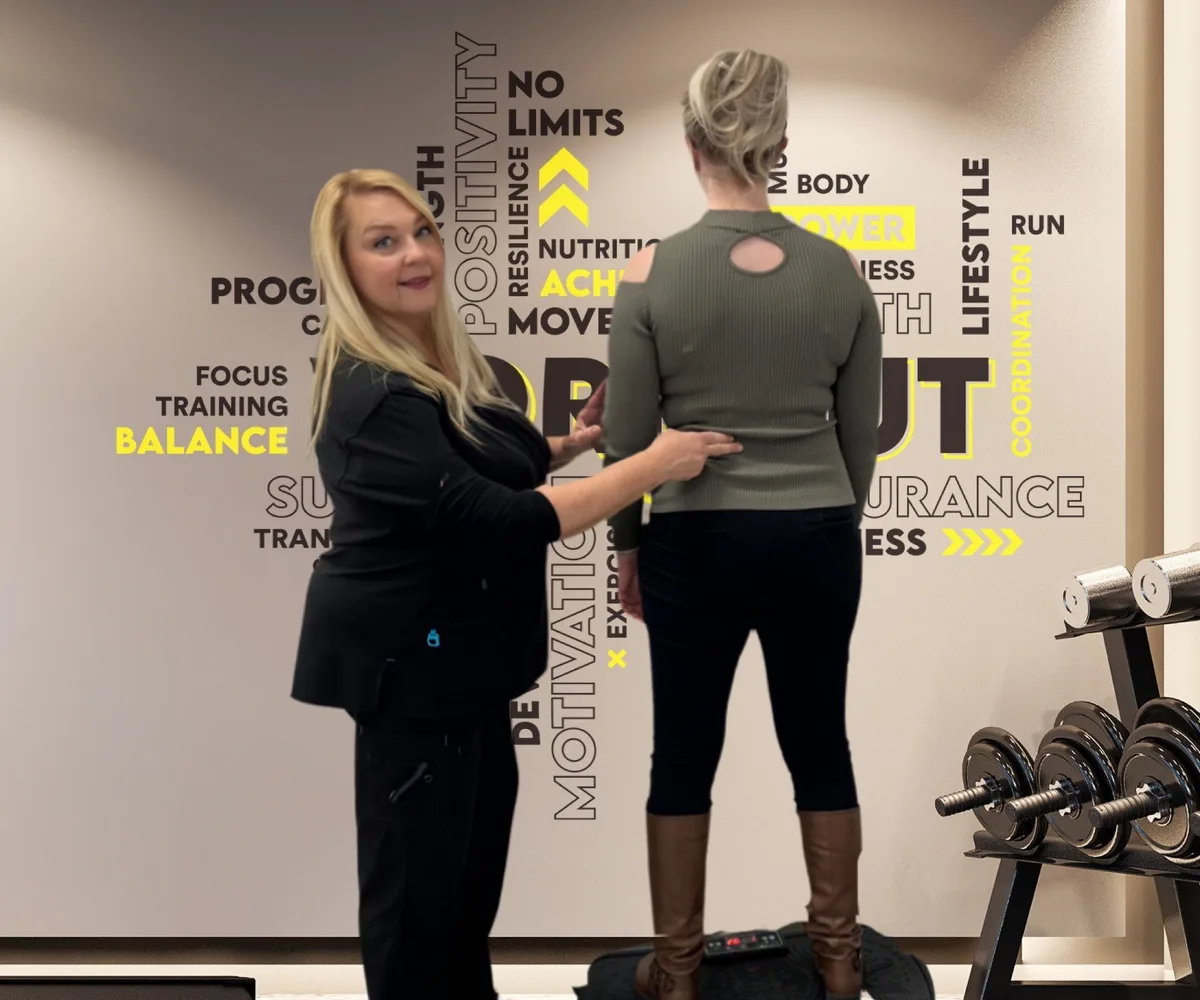
Telling someone to fix their posture by sitting up straight is like telling a car with a bent frame to drive in a straight line. The structure is the problem. Forward head posture, rounded shoulders, anterior pelvic tilt — these aren't habits patients can think their way out of. They're consequences of mechanical imbalances that have shaped the body over years.
Posture work starts with a thorough assessment of what's actually happening structurally. Where are joints restricted? Which muscles are chronically short and which are weak? Are the feet contributing through poor mechanics? Is there an old injury driving compensation patterns? Once we understand the picture, we build a plan that addresses the specific imbalances driving your posture.
Treatment combines targeted adjustments to restore joint mobility, rehabilitation exercises to lengthen tight muscles and strengthen weak ones, custom orthotics if foot mechanics are contributing, and ergonomic education to support the work between visits. Most patients see noticeable change in 6 to 12 weeks.
Common Symptoms
- •Forward head posture (text neck)
- •Rounded shoulders
- •Anterior pelvic tilt or swayback
- •Chronic neck or upper-back tension
- •Low back pain that gets worse after sitting
- •Headaches at the base of the skull
- •Limited shoulder mobility
What's Actually Causing It
Prolonged sitting at desks and in cars, smartphone and tablet use, muscle imbalances from one-sided activities or sports, weakness in deep stabilizing muscles, restricted joint mobility from old injuries, and foot mechanics contributing to chain compensation up the body.
How We Treat Posture Correction
Postural assessment, targeted adjustments to restore joint mobility, rehab exercises to strengthen the right muscle groups and lengthen the tight ones, custom orthotics if foot mechanics are part of the issue, and education on how to maintain the corrections at work and home.
Frequently Asked Questions
How long does posture correction take?
Most patients see noticeable change in 6 to 12 weeks. Permanent change requires sustained work over months as the body learns the new patterns and the muscles rebalance. We give you specific daily exercises to keep the progress on track.
Can adults really change posture?
Yes. Bone is living tissue, muscles remodel constantly, and the nervous system can be retrained at any age. Adults make excellent progress with the right plan.
Do I need a standing desk?
Not necessarily. A well-set-up sitting workstation can be fine. What matters is movement variety throughout the day — neither sitting nor standing for hours straight is ideal.
Related Conditions
Conditions that often present together with posture correction.
Neck Pain
Neck pain is another very common complaint that we treat. So a lot of the patients we see for neck pain actually have underlying posture issues from desk work, smartphone use, or driving, and the neck ends up being the loudest signal in the chain.
Learn more →Back Pain
Back pain is the most common reason patients walk into a chiropractic office, and it's also one of the most misdiagnosed. So we see patients who've been told their pain is from one disc, when it's actually coming from a joint two levels up the chain, or from a foot mechanic that's pulling their pelvis out of alignment.
Learn more →TMJ
TMJ (temporomandibular joint) issues affect the jaw joint and the muscles around it, and they're often connected to neck mechanics, posture, stress, and sleep patterns. So pure jaw treatment misses the upstream contributors.
Learn more →Shoulder Pain
Shoulder pain can come from the joint itself, the surrounding rotator cuff and soft tissue, the cervical spine pulling on nerves that feed the shoulder, or postural patterns that have built up over years. So treating just the shoulder when the source is in the neck or upper back leaves the actual problem in place.
Learn more →Ready to Treat Posture Correction?
Call us or fill out the contact form. We'll assess what's actually going on and build a plan to get you back in action.