

Same-Day Treatment Available
Whiplash
Whiplash is the soft-tissue and joint injury that happens when your head and neck snap forward and back faster than your body, usually from a car accident. So the symptoms can show up days or even weeks after the impact, and untreated whiplash often turns into chronic neck pain, headaches, and dizziness years down the line.
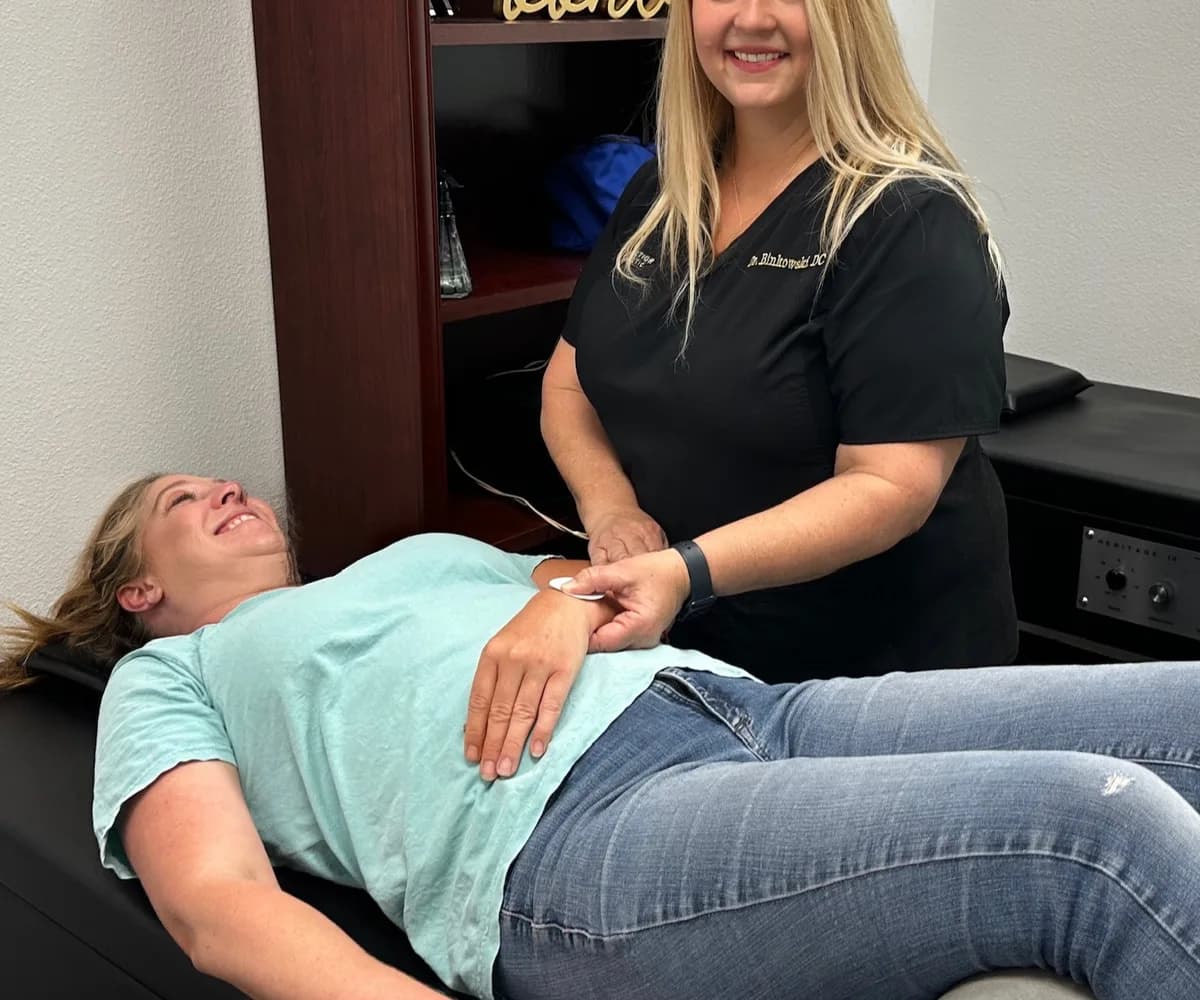
About Whiplash
Whiplash damages the small joints, ligaments, and muscles in the cervical spine. The forces involved are surprising — even a low-speed rear-end collision generates enough acceleration to tear soft tissue and displace vertebrae. The body's natural response is muscle guarding, which creates the stiffness and limited motion patients feel in the days after.
The biggest mistake we see is patients who feel okay right after the accident and skip treatment, only to develop chronic problems months or years later. Whiplash symptoms often have a delayed onset because adrenaline masks the initial pain. By the time the pain shows up, the inflammation has set in and the body has compensated around the injury. Early treatment significantly improves long-term outcomes.
Same-day appointments are standard for whiplash because early treatment matters. The first visit includes a thorough assessment, baseline documentation for insurance, and an initial round of gentle treatment to reduce inflammation and restore motion. Treatment typically combines cervical adjustments, cold laser therapy, medical massage, and proper documentation for your personal-injury case.
Common Symptoms
- •Neck stiffness and pain
- •Headaches
- •Dizziness or balance issues
- •Jaw pain or TMJ symptoms
- •Fatigue and brain fog
- •Difficulty concentrating
- •Ringing in the ears
- •Sleep disruption
What's Actually Causing It
The rapid acceleration-deceleration force from a car accident, sports collision, or similar trauma. The head moves faster than the body, stressing cervical joints, ligaments, and soft tissue. Damage can include sprained ligaments, strained muscles, joint dysfunction, and disc irritation.
How We Treat Whiplash
Same-day appointments after the accident, cervical adjustments to restore alignment, cold laser therapy to accelerate soft-tissue healing, medical massage to release muscle guarding, and proper documentation for your insurance and personal-injury case.
Frequently Asked Questions
Should I see a chiropractor for whiplash if I feel fine?
Yes. Whiplash symptoms often have a delayed onset of days or weeks. Early assessment and documentation protect both your health and your insurance case, even if you feel okay right now.
How long does whiplash take to heal?
Most whiplash patients feel significant improvement within 4 to 8 weeks of treatment. Full resolution can take 3 to 6 months for severe cases. The biggest factor in outcome is how quickly you start treatment.
Will my insurance cover whiplash treatment?
Most auto policies cover whiplash treatment under PIP (Personal Injury Protection) coverage, regardless of fault. We document everything for insurance and personal-injury cases.
Related Conditions
Conditions that often present together with whiplash.
Neck Pain
Neck pain is another very common complaint that we treat. So a lot of the patients we see for neck pain actually have underlying posture issues from desk work, smartphone use, or driving, and the neck ends up being the loudest signal in the chain.
Learn more →Auto Accident Injuries
Auto-accident injuries are different from other types of pain because they almost always involve insurance, sometimes legal cases, and a much wider range of symptoms than the patient initially recognizes. So same-day documentation matters. We see patients within 24 hours of an accident whenever possible.
Learn more →Migraines
Migraines aren't just bad headaches. They're a neurological event, and they often have triggers that show up in the body before the migraine itself starts. So we look at the whole picture: posture, neck mechanics, gut health, sleep, stress, hormonal patterns.
Learn more →TMJ
TMJ (temporomandibular joint) issues affect the jaw joint and the muscles around it, and they're often connected to neck mechanics, posture, stress, and sleep patterns. So pure jaw treatment misses the upstream contributors.
Learn more →Ready to Treat Whiplash?
Call us or fill out the contact form. We'll assess what's actually going on and build a plan to get you back in action.